


Constipation
What is it?
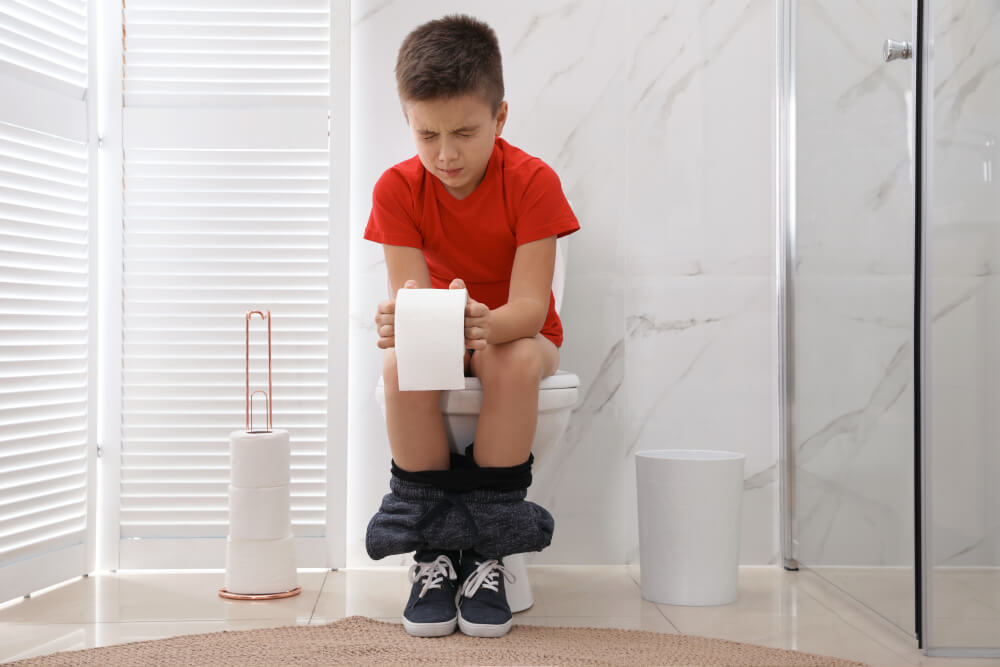
Constipation is a very common bowel problem among children. It is typically defined as having fewer than three bowel movements per week. In children, constipation can manifest not only as infrequent bowel movements but also as hard, dry, small pellet-like stools or very large volumes of stool. Normal bowel movement frequency and consistency can vary among children. Breastfed babies may pass stool after every feeding or only once a week, while bottle-fed babies and older children usually have at least one to three bowel movements per week. Constipation is often a problem that arises during toilet training or when introducing solid foods. Additionally, a child may develop constipation after experiencing a painful, scary bowel movement, leading to stool withholding behavior.
The timing and method of toilet training are crucial in determining whether a child’s constipation has a psychological basis. If toilet training is started too early developmentally, or if caregivers adopt a harsh approach, children may develop constipation complaints. However, to distinguish whether constipation is psychological or physiological, professional evaluation by a specialist is necessary.
Although symptoms can vary from child to child, the most common complaints include:
- No bowel movements for several days (fewer than four per week)
- More than three trips to the bathroom per day (indicating incomplete evacuation)
- Hard, dry stools or presence of blood in the stool
- Straining, sweating, and facial flushing while passing stool
- Abdominal bloating, cramps, or pain
- Lack of appetite
- Foul-smelling stool, gas, or bad breath
- Vomiting, fever, or nausea
- Signs of withholding stool (clenching teeth, crossing legs, pressing buttocks together, flushing of the face)
- Small liquid or soft stool spots in the child’s underwear
- Frequent small urinations, urgent need to urinate, bedwetting, or urinary tract issues
Since constipation symptoms can mimic other health problems, a proper diagnosis by a healthcare professional is essential.
An evaluation should begin with a detailed history and physical examination by a specialist. It is important to ask:
- How often does your child have a bowel movement?
- Does your child experience pain during bowel movements?
- Have you recently started toilet training your child?
- What foods and drinks does your child consume?
- Have there been any stressful events in your child’s or family’s life recently, such as divorce or loss?
- How often does your child soil or have accidents in their clothing?
Based on this assessment, a specialist may order imaging tests (ultrasound, abdominal X-ray), blood tests, functional tests (rectal manometry, colon transit studies), and endoscopic exams (sigmoidoscopy, colonoscopy) to further investigate constipation.
A 7-day bowel diary—a record of stool times and consistency over one week—is often described as a fun activity by children and provides specialists with detailed information about bowel habits. If soiling occurs, it should be noted in the diary. Pediatric urology specialists use the diary to plan the best treatment approach based on the child’s age, complaints, and clinical condition.
There are a variety of treatment strategies to help children manage constipation.
- Urotherapy Education (Healthy Bladder & Bowel Training) is a program delivered by specialized physiotherapists focusing on behavioral changes for both the child and family. It includes practical instruction on proper toileting posture, healthy eating and drinking habits, age-appropriate fluid intake, healthy bowel-emptying techniques, and establishing regular bowel habits. The program is tailored to each child’s symptoms and needs.
- Medication Therapies may be prescribed by the treating physician for children with functional constipation, including stool softeners, laxatives, and rectal medications. Medication should be tailored to the child’s age and weight and monitored by the physician.
- Pelvic Floor Muscle Rehabilitation is performed by specialized pelvic floor physiotherapists to retrain the muscles responsible for bowel function. The goal is to improve the child’s ability to relax pelvic floor muscles during defecation. Techniques include massage, diaphragmatic breathing, biofeedback-assisted exercises, stabilization exercises, and neuromodulation under the guidance of specialists.
Constipation is a very common complaint in children, affecting approximately 5–30% of the pediatric population. Symptoms become chronic in over one-third of cases. Among children with voiding problems, about one in four also have constipation.
The exact cause of constipation is not fully understood. Contributing factors include incorrect toilet habits, issues with toilet training, stool withholding behavior, poor dietary habits or food allergies (such as lactose intolerance), inadequate fluid intake, lack of physical activity, changes in routine (travel, stress, fear, moving to a new home, starting school), psychological problems (developmental issues), medication side effects, and a family history of constipation.
In rare cases, constipation may be due to anatomical issues (anal atresia, Hirschsprung’s disease), neurological conditions (spina bifida, cerebral palsy), endocrine disorders (hypothyroidism), or metabolic diseases (celiac disease), which should also be considered.
Although there is no scientifically proven “constipation diet,” encouraging increased water intake and natural dietary fiber from fruits and vegetables is a healthy approach. If your child continues to experience constipation despite a healthy diet, adequate hydration, and physical activity, the problem may lie in pelvic floor muscle function. In constipated children, the muscles around the rectum often become tense or spastic, making it difficult to expel stool. If these muscles cannot properly relax, stool remains impacted in the colon regardless of diet or exercise. For these cases, pelvic floor rehabilitation can be highly beneficial.
Many parents mistake soiling for diarrhea, but it is most commonly due to chronic constipation. When stool accumulates in the rectum, the colon stretches and loses sensation, leading to leakage of softer, newer stool without the child’s awareness. An enlarged rectum also reduces the colon’s ability to contract properly. If stool cannot pass, constipated children may soil until they learn to relax the pelvic floor muscles. Early intervention is important to address withholding behavior and prevent further complications.
Normal stool is typically medium to dark brown, light in odor (not overly foul), medium consistency, and shaped like a smooth sausage that can pass easily without pain. Healthy stool characteristics can vary by child, but parents should watch for changes in odor, consistency, frequency, or color as potential warning signs.
Stool colors
In children, brown stool is considered normal, though slightly greenish-brown is also acceptable.
Other colors may indicate:
- Black: May indicate gastrointestinal bleeding (tar-like appearance), though certain foods or iron supplements can also cause dark stool.
- White or gray: Could signal a liver or gallbladder problem (bile absence). Some anti-diarrheal medications can also produce pale stools.
- Green: May be due to eating leafy greens or rapid transit time with excess bile.
- Red: Could indicate bleeding in the lower GI tract or hemorrhoids; red foods can also color stool.
- Orange: May result from blocked bile ducts, certain medications, or high beta-carotene intake.
- Yellow: Greasy or foul-smelling yellow stool may indicate malabsorption or liver/bile issues.
Any child with persistently unusual stool color, especially red or black, should be evaluated by a healthcare professional.
Untreated constipation can quickly become chronic, significantly affecting the child’s and family’s quality of life. If left unaddressed, hard stool can cause pain and fear around bowel movements, leading to withholding and worsening impaction. Chronic stool buildup can damage rectal sensation, resulting in leakage of liquid stool. Many families do not address soiling until it becomes severe. Remember, soiling is a sign of constipation that should not be ignored.
Impacted stool in the rectum sits very close to the bladder, reducing bladder capacity and contributing to urinary frequency, daytime or nighttime wetting, and urinary tract infections. Therefore, constipation should be treated promptly before it leads to further health issues. With proper management, constipation is a treatable condition and should not be considered “normal.”